Урок английского языка в 5 классе с использованием интерактивных технологий обучения английскому языку с целью развития критического мышления.
Тема: Seasons - времена года.
Цель:
- формировать артикуляционные навыки произношения английских звуков;
- научить употреблять изученную лексику по теме "Времена года" в продуктивном говорении;
- развивать у учеников умение критично мыслить;
- формировать навыки чтения с пониманием основного содержания;
- развивать навыки устного говорения на уровне текста;
- развивать творческие способности, ассоциацию, образное и критическое мышление, представление и внимание у учеников;
- учить учеников делать обобщение на основе прочитанного, делать выводы, выражать собственную мысль;
- учить вести беседу в режиме монолога, диалога.
Задачи:
- расширять представление учеников про особенности природных явлений.
Воспитательные задачи:
- формировать собственные взгляды к явлениям окружающей среды.
Оборудование:
тексты, рисунки, бумага А-4, фломастеры, карандаши, карточки, тетради.
Ход урока
1. INTRODUCTION. Организационный момент.
Teacher: Stand up children. The lesson has begun.
Good morning!
Pupils: Good morning, good morning,
Good morning to you,
Good morning, good morning,
We are glad to see you!
T: I'm glad to see you too! Sit down, please and get ready for the lesson.
Teacher: Children, who is on duty today?
Lilia: Me.
Teacher: Who is absent today?
Lilia: Everybody is present.
Teacher: How are you Marry?
Marry: I am good, thank you.
- How are you, Ivan?
Ivan: I am fine, thank you.
- How are you, Valia?
Valia: I am OK, thank you.
(Учащиеся задают вопросы и отвечают по цепочке).
T: You have to check what you have on your desks: a book, a copy book, a day book, a pencil case with your pens and pencils and vocabulary.
Teacher: Children, let's remember the poem about days of the week.
Pupils: Every day, every day
Little children like to play
Sunday, Monday, Tuesday, Wednesday, Thursday, Friday, Saturday.
Teacher: Who tells me, what day is it today?
Liza: Today is Tuesday, the eighteenth of March.
Teacher: Right, thanks.
- Children, what do you think about the weather today?
- Who wants to describe it?
(Ученики по желанию описывают погоду).
Victor: To my mind the weather is good because the sun is not shining, the sky is grey, but it is not raining, it is not snowing.
Helen: As for me it is bad because the sun is not shining and it is cold.
Повторить и употребить в практике фразу "I am sorry, you are mistaken".
Teacher: It is not windy today.
P1: I am sorry, you are mistaken. It is windy.
Teacher: The birds are not singing.
P2: I am sorry, you are mistaken. They are singing.
(Учащиеся отвечают по цепочке).
Teacher: Today we're going to talk about the seasons and weather.
The aim of our today's topic is to develop the pronunciation of sounds [ s ], [w ], [θ], [ð], to use the lexical material according to our today's topic "Seasons" that we've already learnt, to develop critical thinking, to form reading skills with understanding of the main content, to develop speaking skills on a level of the text, to develop creative skills, the ability to communicate in mono-logical and dialogical speech.
2. THE MAIN PART OF THE LESSON. Основная часть урока.
Teacher: First of all let's practice our phonetic skills.
Sounds [ s ], [w ], [θ], [ð].
1. Фонетическая зарядка.
[ s ] [w ] [θ] [ð].
summer when think there
stadium winter theatre this is
spring white three that is
Teacher: Well done! Thank you! Can you underline the words which are connected with our today's topic?
P1: Summer
P2: Spring
P3: Winter
P4: White
Teacher: Right!
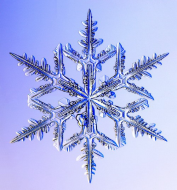
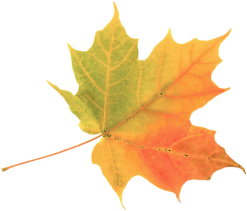
Look at the blackboard. There are 4 symbols that describe the topic.
(на доске находятся 4 картинки - "символа")


№ 1 № 2
№ 3 № 4
Teacher: Children, what can you tell me about the first symbol? What is it?
P1: This is the sun.
Teacher: Yes, this is the sun. - Is the sun cold or warm?
P2: It is yellow. It is funny. To my mind it's warm.
Teacher: I think the same, thank you.
- What is the symbol number two?
P2: These are flowers. Tulips.
T: Right, thanks!
- What is the number three?
P3: This is a snow flake.
T: Good! - What is the number four?
P4: This is a leaf. It has got different colors. It is beautiful.
T: Thank you! Well done!
T: So, we've got the sun, tulips, a snow flake and a leaf.
- What do these 4 symbols describe?
P-s: They describe 4 seasons of the year.
T: Nice! - What poem do we know about seasons?
Когда учащиеся рассказывают стих, учитель сопровождает стихотворение картинками.
P-s: Spring is green,
Summer is bright,
Autumn is yellow,
Winter is white.
T: OK. Now find the right translation of the words.
(Слова написаны на доске. Дети выходят по желанию и выполняют задание).
1) spring a) зима
2) winter b) осень
3) summer c) весна
4) autumn d ) лето
5) It’s rainy e) солнечно
6) It’s cold f) снежно
7) It’s windy g) идет дождь
8) It’s hot h) пасмурно
9) It’s sunny i) холодно
10) It’s cloudy j) ветрено
11) It’s snowy k) жарко
T: Well done. So, now you can tell me what does the sun describe?
P1: It describes summer, because it is warm.
T: What do these tulips describe?
P2: They describe spring.
T: What does this snow flake mean?
P3: This snow flake means winter.
T: What does this colored leaf mean?
P4: This colored leaf means autumn.
T: Children, what season is it now?
Marina: Spring.
T: Right. So i want to ask you some questions. Give answers if you know.
QUESTIONS:
1. When is the weather getting warmer and warmer?
P1: The weather getting warmer and warmer in spring.
2. What is the hottest season of the year?
P2: The hottest season of the year is summer.
3. What is the longest day of the year?
P-s: We don't know.
T: OK. We’ll try to find the answer in the text.
4. When many people leave town and go to the sea?
P3: Many people leave town and go to the sea in autumn.
P4: I'm sorry, you are mistaken. Many people leave town and go to the sea in summer.
T: Correct. - What comes after summer?
P5: After summer comes autumn.
T: How are called the warm days of early autumn?
P-s: We don't know.
T: When the days become shorter?
P6: The days become shorter in winter.
P7: I don't agree. The days become shorter in autumn.
T: Good. - What is the coldest season of the year?
P8: The coldest season of the year is winter.
T: Дети, а какие месяца имеют наши поры года. Давайте вспомним их в упражнении и прикрепим их к нашим символам- "временам года".
Find the right variant. Put the right letter (a, b, c or d ).
Класс делится на 4 группы. Каждая группа получает на парту карточки с названием месяцев. Представители каждой группы по очереди выходят к доске и прикрепляют месяца к определенному предложению. Предложения 1-4 записаны на доске.
1. It is hot in ________ (жарко)
2. It is cold in ________ (холодно)
3. It often rains in __________ (часто идет дождь)
4. The flowers are in blossom in ________ (цветы в цветении)
Months:
a) December, January, February.
b) March, April, May.
c) June, July, August.
d) September, October, November.
(Ученики выполняют данное упражнение и затем выходят к доске и прикрепляют определенные карточки с месяцами к определенному символу, описывающему определенную пору года).
Teacher: So children, we've revised the words, answered the questions, done exercises. We continue our lesson. We're going to read the text with the aim to get some more new information. But first of all let's fill up the table. What have you already known about seasons and weather?
(Учитель делит доску на 2 части. Cлева записывает "I know that ... , справа "I do not know that ..... But it is interesting). Дети произносят, что им уже известно по теме, а учитель кратко записывает в левый столбик. То, что они не знают, запишут в правый столбик, когда будут работать индивидуально с текстом).
ТАБЛИЦА:
| I know that ..... | I don't know that .... But it is interesting. |
| It is warm in spring. |
|
| It is frosty in winter.
|
|
| Many people go to the sea in summer.
|
|
| The trees are green, yellow, red and orange in autumn.
|
|
Учитель раздает каждому ученику текст "Seasons". Учитель объясняет учащимся, что они будут читать текст, делая в нем пометки карандашом. Для этого нужно пользоваться следующими знаками:
! - It's interesting for me. ( Это заинтересовало меня)
V - I know it. (Я знаю это)
+ - New information. (Новая информация)
? - Don't understand. (Не понял)
- (minus) - I think otherwise. (Я думаю иначе)
Teacher: Children, let's have a rest.
Head and shoulders, knees and toes,
Knees and toes, knees and toes,
Head and shoulders, knees and toes,
Eyes, ears, mouth and nose.
Дети читают самостоятельно текст 5 - 7 минут. Делают в нем пометки.
Seasons - Времена года
There are four seasons in a year: spring, summer, autumn and winter. March, April and May are spring months. The weather is getting warmer and warmer. The trees begin to bud. Sometimes it rains, the sun shines brightly.
The summer months are June, July and August. Summer is the hottest season of the year. The days are longest in summer. The longest day of the year is the 22nd of June. Some people like summer best of all. In summer many people go to the sea.
After summer autumn comes. The autumn months are September, October and November. The warm days of early autumn are called the “Indian Summer” or the “Golden Autumn”. The “Golden Autumn” is really beautiful with its yellow, red and brown trees and golden leaves falling down. Autumn is the season of fruit and vegetables. It often rains.
Winter is the coldest season of the year. The winter months are December, January and February. The winter days are short and gloomy. It often snows. Winter is a very beautiful season too. Some people like it very much.
После самостоятельного чтения текста, ученики и учитель возвращаются к табличке и проверяют, корректируют, добавляют новую информацию.
В правый столбик выписывает учитель то, что по мнению детей является для них новым. Дети зачитывают информацию с текста. Информацию в левой стороне сравнивают с текстом. Если нужно, исправляют.
Teacher: Children lets work with the text.
Учитель и учащиеся возвращаются к 4 символам на доске. Идет работа с текстом.
Ученики должны найти предложения и зачитать. Учитель указывает при этом на определенный символ.
T: Complete the sentences.
There are four seasons in a year …
… are spring months.
The summer months are …
The longest day of the year is …
In summer many people leave …
After summer …
The autumn months are …
The warm days of early autumn are called …
Winter is the …
The winter months are …
It often …
T: Say, T (true) or F (false).
It is usually hot in summer.
Autumn comes after winter.
In winter the trees are white.
In spring the trees are red, orange and yellow.
Keys: True, False, True, False.
Учитель делит класс на 2 группы (по 6 человек). Каждая группа по очереди задает вопрос и отвечает. Дети в группах отрабатывают информацию по тексту. Учитель при необходимости помогает.
Учащиеся при данной работе могут использовать следующие фразы и вопросительные местоимения:
Do you know that …
Do you think that …
Do you agree that …
I / We think that …
What are …
What is …
I agree …
I’m sorry, you are mistaken …
Yes, we do. / No, we do not.
Group 1: It is snowy in winter.
Group 2: We are agree. Summer months are June, July, August.
Group 1: Yes, they are.
Учитель делит класс на 4 группы по временам года.
Учитель раздает каждой группе лист А-4 с картинками по данной поре года.
Каждая группа должна составить из картинок кластер. Затем каждая группа защищает свою работу у доски. (4-6 предложений)
Рефлексийная анкета
На уроке я (Ф. И.) _______________________________________
Узнал (а) ______________________________________________
Повторил (а) ___________________________________________
Научился (ась) _________________________________________
Понял (а) ______________________________________________
Сделал (а) успехи в _____________________________________
Испытал (а) трудности в _________________________________
Было интересно ________________________________________
Желаю продолжить _____________________________________
3. Conclusion. Заключительная часть урока.
Homework: Написать сочинение “My favourite season of the year”.
Summarization: Today we have spoken about the seasons. We’ve revised the words, that we’ve learnt earlier, read the text, discussed it, done exercises. We’ve developed our mono-logical and dialogical speech, we’ve developed the pronunciation of sounds [ s ], [w ], [θ], [ð].
MARKS. (Оценки)

 Получите свидетельство
 Вход
Вход




 Урок английского языка по теме «Seasons» (4.47 MB)
 0
0 1317
1317 30
30 Нравится
0
Нравится
0


