
 Получите свидетельство
 Вход
Вход



| Пәні: | Ағылшын тілі | ||||||||||||||||||||||||||||||||
| Сыныбы: | 7 | ||||||||||||||||||||||||||||||||
| Уақыты: | 11. 01. 14 | ||||||||||||||||||||||||||||||||
| Тақырыбы | Plants and animals | ||||||||||||||||||||||||||||||||
| Мақсаты: а) ақпараттық ә) коммуникативтік б) проблеманы шешу | А) Өсімдіктер мен жануарлар туралы жалпы ақпарат беру, бұрыннан белгілі ақпараттарын кеңейту; Ә) Өсімдіктер мен жануарларға қатысты сөздерді сөйлеуде қолдануға үйрету, диалогтық және монологтық сөйлеу дағдысын қалыптастыру; Б)Өсімдіктер мен жануарлар туралы ақпаратты анықтау және оны қолдану жолдарын көрсету. | ||||||||||||||||||||||||||||||||
| Сабақтың түрі: | Жаңа материалды енгізу | ||||||||||||||||||||||||||||||||
| Сабақта қолданылатын технологиялар: | Ізгілендіру және ойын технологиялары | ||||||||||||||||||||||||||||||||
| Сабақтың әдісі: | Сөздік, практикалық және көрнекілік | ||||||||||||||||||||||||||||||||
| Пәнаралық байланыс: | Қазақ тілі | ||||||||||||||||||||||||||||||||
| Оқыту құралдары: | Грамматикалық кесте, топшама, суреттер | ||||||||||||||||||||||||||||||||
| Сабақтың барысы: | Мұғалімнің қызметі | Оқушының қызметі | Күтілетін нәтиже | ||||||||||||||||||||||||||||||
| I.Ұйымдастыру бөлімі
II. Үй тапсырмасын тексеру
| Good afternoon dear children! Sit down please. First of all tell me who is on duty today? Who is absent today? What day of the week is it today? What season is it now? What is the weather like today? Now please look at the blackboard.
What is your hometask? Your home task will be ex 1 and11 read and translate | Good afternoon teacher! I’m on duty today. Today is snowy ( windy, frosty and cloudy, sunny )
Үй тапсырмасын айтады.
| -Мұғалімнің қойған сұрақтарына жауап береді. - Кезекшілер өз міндеттерін ойдағыдай атқарады.
| ||||||||||||||||||||||||||||||
|
| Listen to me and then you’ll repeat after me all together and by one.
I am learning to read I’m learning to tell I’m learning to speak And I’m learning to spell |
Сабақтың барысы мен мақсатын тыңдайды |
| ||||||||||||||||||||||||||||||
|
|
|
|
| ||||||||||||||||||||||||||||||
| ІІІ.Жаңа материалды түсіндіру
ІV. Жаңа материалды бекіту
V. Үй тапсырмасын беру
| Now children today we’ll take a new theme as “ Plants and animals”
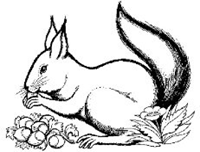
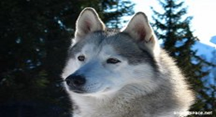
1. Match the pictures to the words and practise the pronunciation. A) a squirrel [`skwirǝl]
b) a wolf [wulf]
c) a rabbit [`ræbit] d) a fox [fɔks]
2. Read the texts and mark the new information.
About animals Our planet is home to a vast collection of animals. They live everywhere. Animals are all around us, so it is easy to think that we know exactly what animals are. But some animals have fur or feathers, others have shells or scales, while many have no hard body parts at all. Animals often have eyes, ears and legs. Firstly, animals` bodies are made of lots of cells. These cells work together, like a team. Secondly, unlike plants, animals need to eat. Animals are also the only living things that have muscles and nerves. Animals with complicated nervous systems, such as mammals and birds, react more quickly than any other living things. Such animals as the tiger, black rhino and giant panda, are now so rare that they are endangered. In just 10 or 20 years` time, the only place to see them may be in zoos. Animals are in danger for many reasons, and most of these are to do with humans. People collect animals as pets, and hunt them for food and for `fun`. They destroy their habitats, leaving the animals with nowhere to live. We must look after the animals we have left, before it is too late.
Vocabulary and pronunciation 3. Read the words and find them in the text. Then practise the pronunciation. Зор, үлкен, кең vast Дәл exactly Жүн тері fur Қауырсын feather Қабық, қауыз shell Қабыршақ (балықтың) scale Клетка cell Бұлшық ет muscle Жүйке nerve Қауіпке душар ету endanger Мүйізтұмсық rhino rhinoceros Сирек rare Қауіпті жағдайда in danger Қауіпсіз out of danger Табиғи орта habitat Күрделі complicated
4. Complete the chart. In should be in board, group comes and writes down the information.
5. Now use the following information about these animals and talk about them. Dogs and foxes With their, long legs and sharp teeth, dogs and foxes are good for hunting. They belong to a group of meat-eating mammals. Most of these animals hunt alone, but some grey wolves, catch their food in packs. There are about 36 species of wild dogs and foxes. The best-known member of the family is the domestic dog, which came from the wolf. Grey wolf This is the largest member of the dog family. It is now found mainly in forests. They cooperate when they hunt, and this allows them to kill animals several times their own size. They share their food, wolves have a strict order – junior wolves have to wait for larger, older animals.
Read and remember! A wolf – wolves a rabbit – rabbits A fox – foxes a zoo – zoos [zu:z] A squirrel – squirrels
6. Read and listen to the stories. Remember the words: practise the pronunciation Салқын – cool Жәндік – insects Жансыз, өмірсіз –lifeless Тығылу – hide Дән, астық – seed Солу – wither
Life in the deserts Life in the desert looks lifeless. Most of the animals hide because it`s hot during the day. When the sun goes down sand becomes cool. Desert rats come out to look for seeds. Snakes hunt rats. The plants quickly wither and die under the hot sun.
A rat Life in the tropical forest The trees are always green. It often rains in the forest. It`s cool there most animals live in the trees. There are monkeys, tree snakes and birds. There are also frogs, insects there.
A monkey
Ex 13 p 44. Read and translate this text. Ex 14 p 45. Complete the chart. | Мұғалімнің айтқан жаңа сөздерін тыңдап, қайталайды.
Мұғалімнің жаңа тақырып бойынша қойған сұрақтарына жауап береді.
2. Read the texts and mark the new information.
About animals Our planet is home to a vast collection of animals. They live everywhere. Animals are all around us, so it is easy to think that we know exactly what animals are. But some animals have fur or feathers, others have shells or scales, while many have no hard body parts at all. Animals often have eyes, ears and legs. Firstly, animals` bodies are made of lots of cells. These cells work together, like a team. Secondly, unlike plants, animals need to eat. Animals are also the only living things that have muscles and nerves. Animals with complicated nervous systems, such as mammals and birds, react more quickly than any other living things. Such animals as the tiger, black rhino and giant panda, are now so rare that they are endangered. In just 10 or 20 years` time, the only place to see them may be in zoos. Animals are in danger for many reasons, and most of these are to do with humans. People collect animals as pets, and hunt them for food and for `fun`. They destroy their habitats, leaving the animals with nowhere to live. We must look after the animals we have left, before it is too late.
Кестені толтырады,алған мәліметтері бойынша
Тапсырмаларды орындайды, мәтіндерді оқиды.
Remember the words: practise the pronunciation Салқын – cool Жәндік – insects Жансыз, өмірсіз –lifeless Тығылу – hide Дән, астық – seed Солу – wither
Күнделіктерін ашып, үй тапсырмасын жазады. Ex 13 p 44. Ex 14 p 45. | Жаңа тақырыпқа көңіл бөле біледі.
Мысалдармен тапсырма орындай алады.
Жаңа сөздерді ағылшынның айтылуымен дұрыс қолдана біледі.
Ағылшын тілінде жақсы оқи алады, аударады, сұрақтарға толықтай жауап береді.
Сұрақтарға толық әрі мағыналы жауап береді.
Жаңа тақырып бойынша жаңа сөздерді қолданып, бір-бірімен сұрақ алмасып, жауап бере біледі.
Сөздікпен жұмыстанып, сөздік қорларын көбейтеді. Барлығы сабақта белсенді болып, тапсырмаларды орындайды.
Жаңа материалға қатысты берілген тапсырмаларды дұрыс орындайды
Топшамалардағы сұрақтар мен жұмабақтардың жауаптарын дұрыс табады.
Жаңа тақырыпты меңгерген.
Берілген мәтіндерді оқып, сұрақтарға жауап алынады. Жаңа сөздермен жұмыстанып, мәтінді аударады.
Үй тапсырмасын орындайды | ||||||||||||||||||||||||||||||











 Plants and animals (452.89 KB)
 0
0 446
446 3
3 Нравится
0
Нравится
0


