
 Получите свидетельство
 Вход
Вход


| Unit: 1A. Language with Content: Food and Science. | School: NIS Atyrau of Chemistry and Biology | |||||||
| Date: | Teacher’s name: Klyshbekova M.A Head of Department: Bissengaliyeva A.M. | |||||||
| Grade: 12 | Number present: | absent: | ||||||
| Lesson 7-8. Cross-curricular links. Writing an article to a science magazine. | ||||||||
| Learning objectives(s) that this lesson is contributing to | 12.W1 plan, write, edit and proofread work at text level independently on a wide range of general and curricular topics, including some complex and abstract topics 12.W2 use a range of vocabulary which moves beyond high-frequency vocabulary, which is appropriate to topic and genre, and which is spelt accurately | |||||||
| Lesson objectives SWBAT | All /Most: share their facts about chemistry; learn about writing an article; (W1, W2) plan, write and edit the writing process; use a range of subject specific vocabulary; Some : use subject specific vocabulary; briefly follow the planning process; write at least 12 chemistry facts; fill in the article table within 7 minutes; | |||||||
| Language objectives | This lesson will focus on listening, speaking and reading skills | |||||||
| Value links | Respect diversity of opinions; | |||||||
| Research skills | Research about interesting chemistry facts | |||||||
| Cross curricular links | Chemistry subject | |||||||
| ICT skills | Interactive board | |||||||
| Previous learning | Lesson 5-6 Independent research. Presentation | |||||||
| Plan | ||||||||
| Planned timings | Planned activities | Resources | ||||||
| Tt’s activity | S’s activity |
| ||||||
| Introduction 7' Warm up | Teacher greets learners and tells them to watch at what will happen. Teacher takes a boiled egg and removes its shell. Then he sets the egg on the mouth of the bottle to show the Students that the egg does not fit through the mouth. Teacher pours the hot water into the bottle. He needs to fill the bottle only one half full. Then quickly places the egg over the mouth of the bottle. After few minutes, the egg will be sucked into the bottle. (When you pour hot water into the bottle the bottle and air inside are heated increasing the air pressure. When temperature of the inside and outside of the bottle is the same, there is enough positive pressure outside the bottle to push the egg inside). Then Teacher asks Students about the relation of this experiment to this lesson. Integration – chemistry | Egg in a bottle experiment Students listen and watch the experiment carefully. Then they need to guess the topic of the lesson and what could be the cross curricular link. They also need to explain the reason of the egg falling inside of the bottle even though the bottle’s mouth is smaller than the actual egg.
| Boiled egg, glass bottle and hot water | |||||
| Main part 7’
10’
10’
2 lesson 5’
20’
12’ | Teacher puts different chemistry facts around the classroom. Students will need to read them walking around and try to remember them. Afterwards Teacher elicits any specific words from chemistry facts to find out if learners remembered them or not.
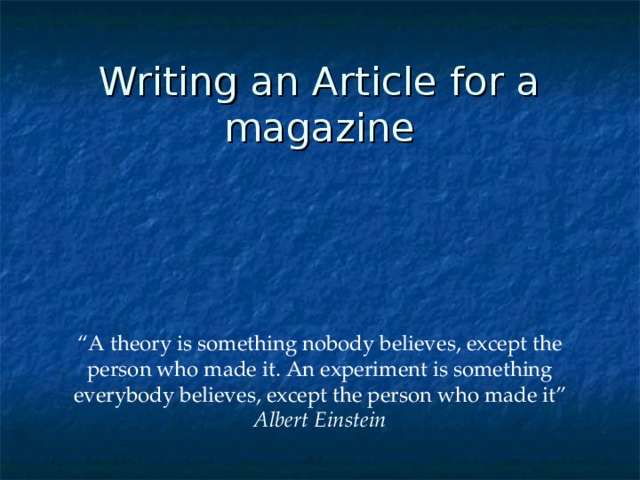
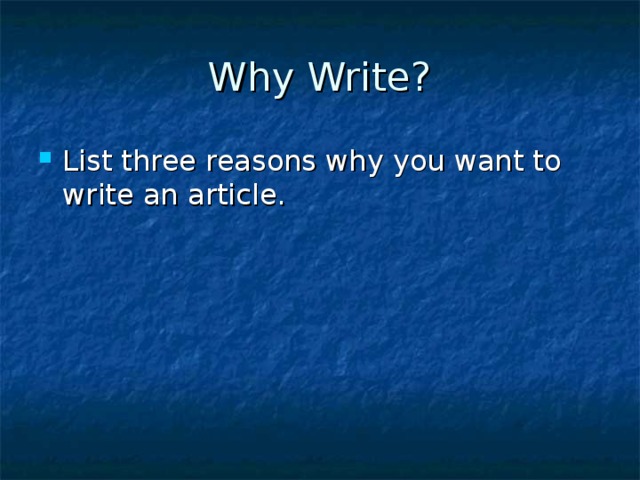
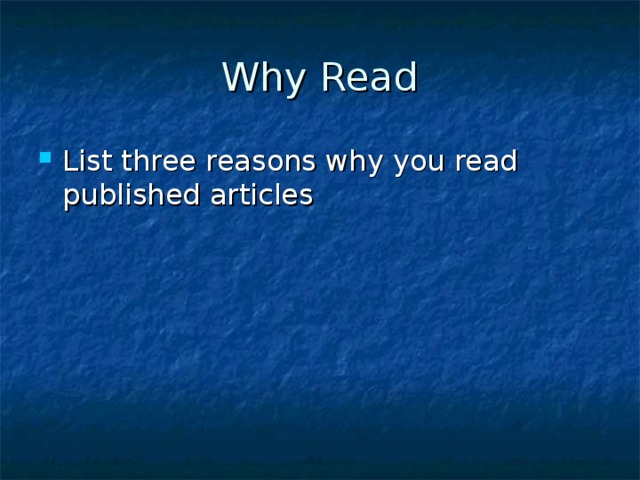
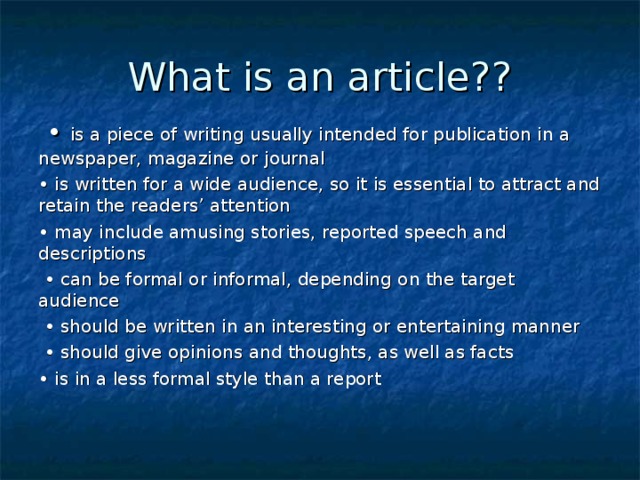
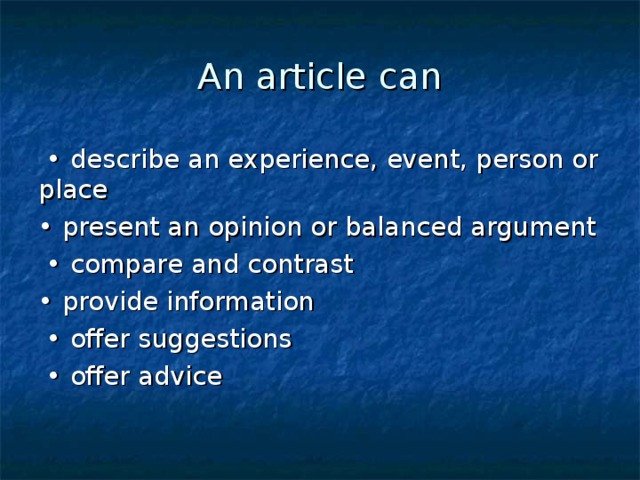
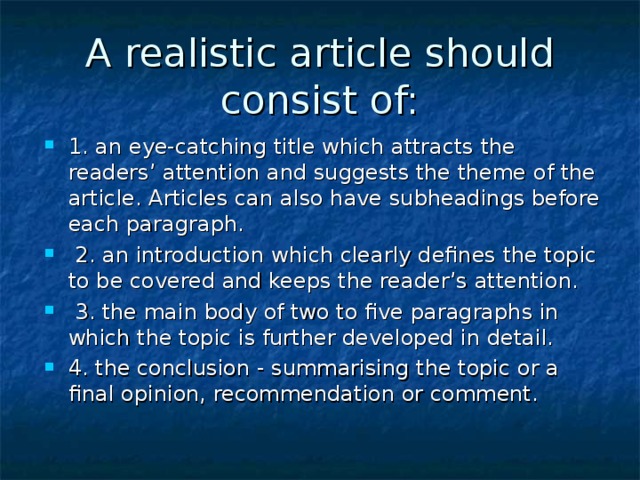
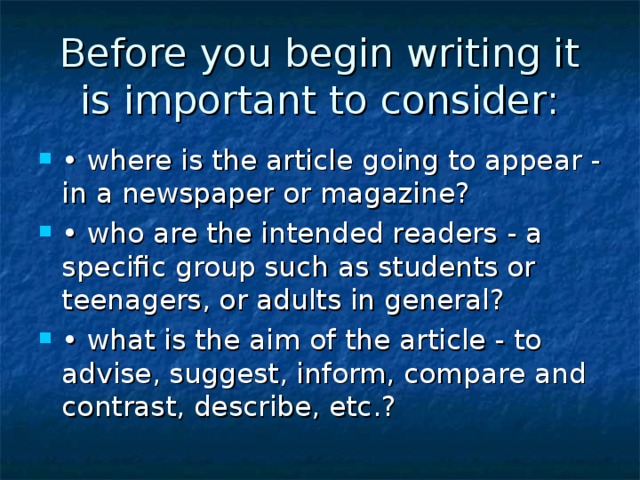
Teacher tells Students that they are going to write an article to a science magazine. Since the topic of the lesson relates to chemistry as well, Students need to write an article about chemistry. In order to help Students to write their own article Teacher shows the PPT on how to write an article.
Afterwards in order to check the Student’s comprehension Teacher gives worksheets to complete the table about writing an article
Teacher greets Students again and shows the video about writing the article
Teacher gives 20 minutes to write an article to a science magazine about chemistry
Teacher tells Students to review own and each other’s works As a revision Teacher asks the Students to research about interesting chemistry facts in order to enhance their research abilities
| Differentiation by task Students walk around the classroom and try to learn as many chemistry facts as possible. The most and the more able students are required to learn at least 12 facts. The least able students are required to learn at least 9 facts.
Students need to write an article to a science magazine about chemistry.
Differentiation by time and support Students need to fill in the table about an article. The most and the more able students are required to complete this task within 7 minutes. The least able students need complete it within 10 minutes. The more and most able students are allowed to help the least able students whenever they finish their own work Students watch the video and make some notes
Writing (I, F, W1, W2): Students have 20 minutes to write an article to a science magazine about chemistry
Differentiation by support More and the most able students help less able students to review their work | Chemistry facts sheets
PPT how to write an article
Worksheets about writing an article
https://www.youtube.com/watch?v=97aY82TJbns
Self and peer review | |||||
| Conclusion 3‘
| Plenary Today’s lesson: - what you have learnt - what learning material was useful/useless |
| ||||||
| Additional information | ||||||||
| Differentiation – how do you plan to give more support? Less able students will be supported by more and the most able students How do you plan to challenge the more able learners? The more able students will be challenged by timeframe and by supporting their peers | Assessment – how are you planning to check learners’ learning? I am going to assess my students’ comprehension and learning through formative assessment
| Health and safety check | ||||||
| Differentiation: Provide less able students with dictionaries and translations of unknown words. |
|
| ||||||
| Reflection
Were the lesson objectives/learning objectives realistic? Did all learners achieve the LO? If not, why? Did my planned differentiation work well? Did I stick to timings? What changes did I make from my plan and why? | Use the space below to reflect on your lesson. Answer the most relevant questions from the box on the left about your lesson. The lesson objectives were realistic. My planned differentiation worked well with my students. I would not make any changes to my plan as it worked well with my students. | |||||||
| Summary evaluation What two things went really well (consider both teaching and learning)? 1: Differentiation tasks 2: Experiment activity
What two things would have improved the lesson (consider both teaching and learning)? 1: It would have been much better to invite the actual chemistry teacher who would knowabout chemistry and explain new interesting facts 2: Team teaching
What have I learned from this lesson about the class or achievements/difficulties of individuals that will inform my next lesson? I have learned about the importance of differentiation tasks. Differentiation tasks play a huge role when learning new topic as it helps those students who struggling but are shy to tell about it.
| ||||||||

 Writing an article to a science magazine (145.68 KB)
 0
0 2138
2138 43
43 Нравится
0
Нравится
0


