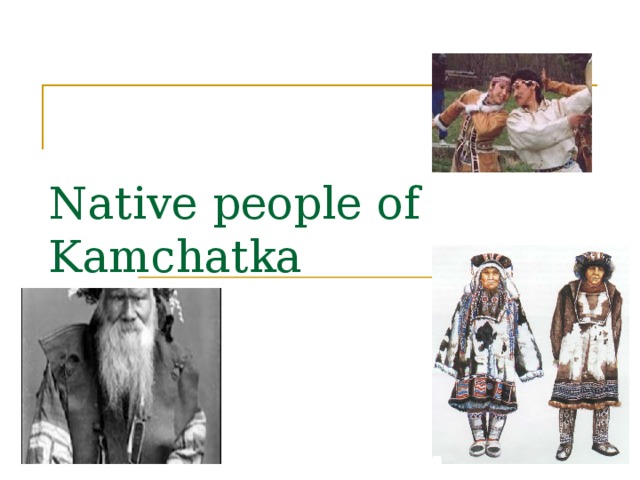
Native people of Kamchatka
Практическая : сформировать представления учащихся о коренных жителях полуострова, их национальностях, образе жизни, особенностях быта и расселения на территории Камчатки .
Общеобразовательная : формирование умения пользоваться источниками обогащения словарного запаса.
Воспитательная : воспитание уважительного отношения к людям, их культуре, традициям.
Koryaks
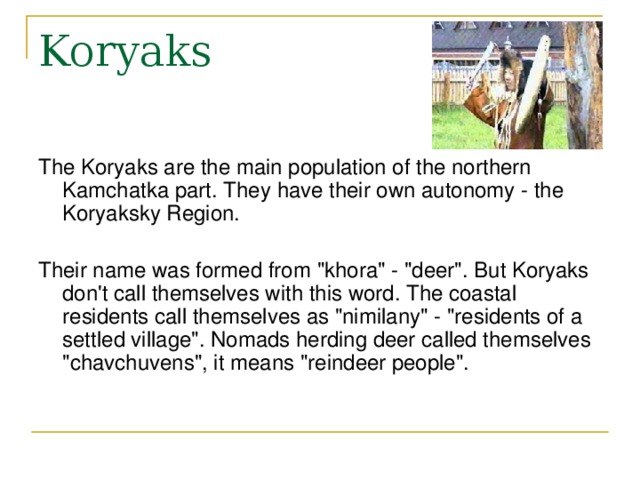
The Koryaks are the main population of the northern Kamchatka part. They have their own autonomy - the Koryaksky Region.
Their name was formed from "khora" - "deer". But Koryaks don't call themselves with this word. The coastal residents call themselves as "nimilany" - "residents of a settled village". Nomads herding deer called themselves "chavchuvens", it means "reindeer people".

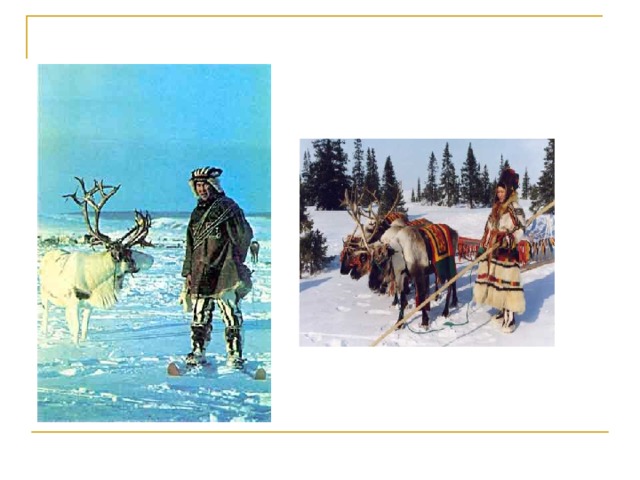
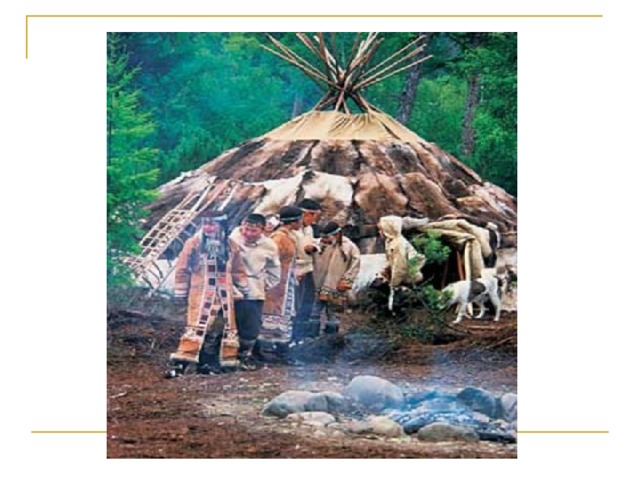
- For the chavchuvens reindeer breading was the main, even the only way of living. Deer gave them everything necessary: meat, skin for clothes (reindeer skin for coveralls, footwear) and for building of thansportable dwellings (yarangas), bones were used for making tools and household articles, fat - for dwelling lightening. Deer were a means of conveyance either. The Chavchuvens lived in temporary settlements consisting of some skin-covered yarangs.
- For the Nimilans the main way to survive was fishing. Fish was generally caught in rivers with the help of stinging-nettle (it took about two years to make one net and it was used only for one year). In settled villages marine hunting was the second way of surviving after fishing. Going out to sea on skin covered baydarkas was common. Harbor seal and whales became the target of harpoons, which were tied to the bow, and were killed with stone tip spears. Marine animals, skin was used for boat, ski covering, footwear, bags, sacks and belts. Domestic activities were highly developed - wood and bone carving, metal works, national clothes and carpets making, embroiling with beads, braiding. The Nimilans lived in groups: in winter - in half-dug-houses, in summer - in booths with their families, they used to catch fish, to hunt, and to pick berries.
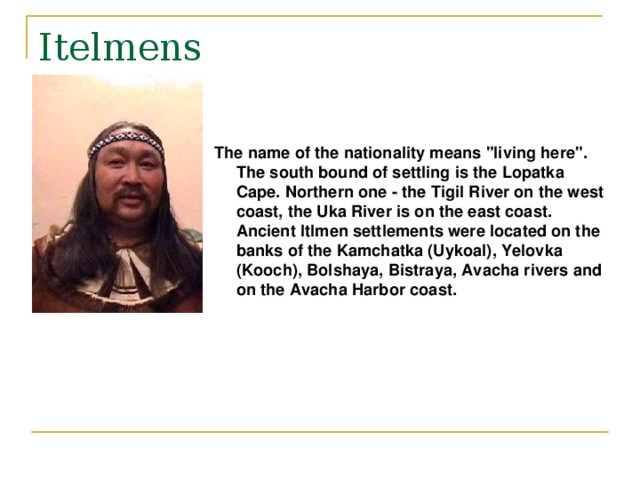
Itelmens
The name of the nationality means "living here". The south bound of settling is the Lopatka Cape. Northern one - the Tigil River on the west coast, the Uka River is on the east coast. Ancient Itlmen settlements were located on the banks of the Kamchatka (Uykoal), Yelovka (Kooch), Bolshaya, Bistraya, Avacha rivers and on the Avacha Harbor coast.
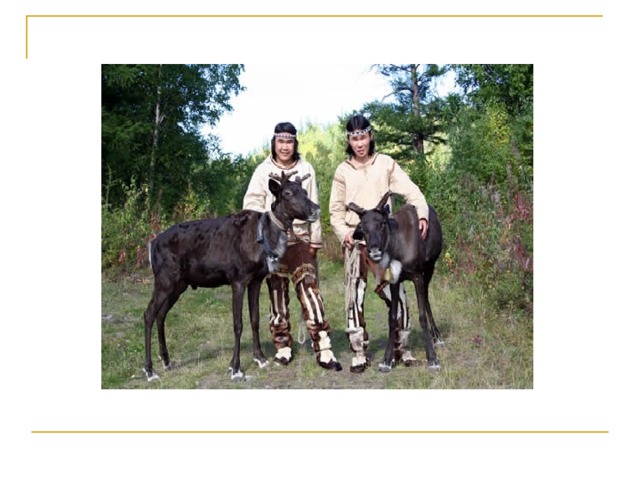
. Itelmens life in summer was spent near some water resources and on them. They moved along the rivers in whole-carved boats.They caught fish with threshed nettle nets. Some fish was cooked as yukola, some was burried for some time under the ground. But lack of salt didn't allow to store much fish. Hunting was of the same value for this folk - fox, sable, bear, snow sheep; at the coast area - marine animals: sea lion, seal, sea otter. Also gathering was very popular. The ancient sledges were richly decorated. The Itelmens ate a lot of fish, preferred baked one (chuprikh) and fish cakes « telno » . Food was seasoned with fat - favorite spice of all northern peoples. Women-Itelmens had a custom to wear wigs. Those who had the most luxurious and the thickest one was highly honored. Those fashionable women never wore hats. Young women did up their heavy black raven-wing-like hair in lot of thin plaits decorating them with small hair wigs in the shape of hats. Itelmens clothes were extraordinary, they were made of sable, fox, snow sheep, dog's skin. Such Itelmens' clothing made an impression of hairiness.
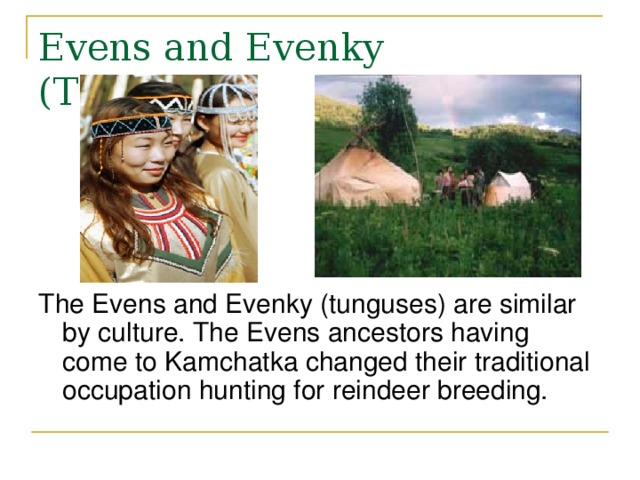
Evens and Evenky (Tunguses)
The Evens and Evenky (tunguses) are similar by culture. The Evens ancestors having come to Kamchatka changed their traditional occupation hunting for reindeer breeding.
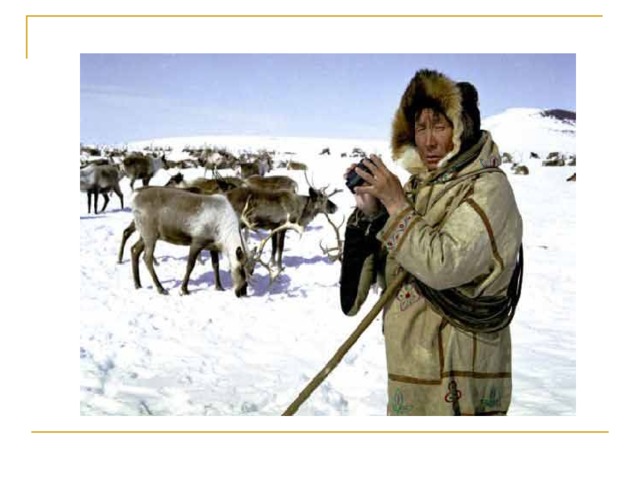
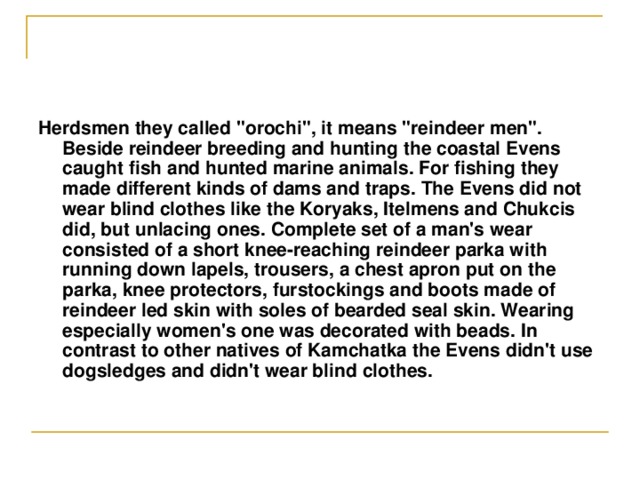
Herdsmen they called "orochi", it means "reindeer men". Beside reindeer breeding and hunting the coastal Evens caught fish and hunted marine animals. For fishing they made different kinds of dams and traps. The Evens did not wear blind clothes like the Koryaks, Itelmens and Chukcis did, but unlacing ones. Complete set of a man's wear consisted of a short knee-reaching reindeer parka with running down lapels, trousers, a chest apron put on the parka, knee protectors, furstockings and boots made of reindeer led skin with soles of bearded seal skin. Wearing especially women's one was decorated with beads. In contrast to other natives of Kamchatka the Evens didn't use dogsledges and didn't wear blind clothes.
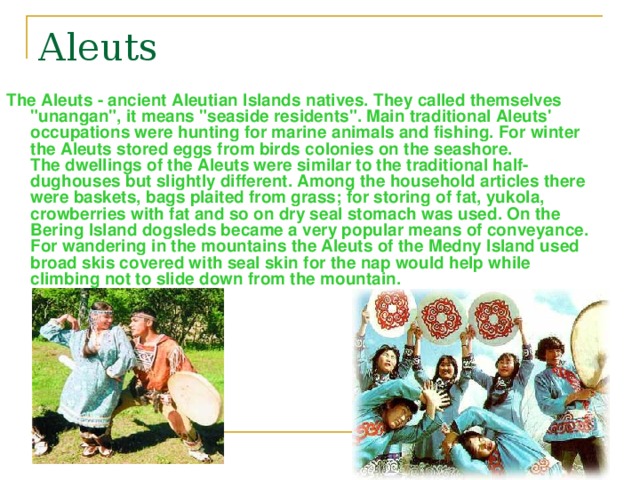
Aleuts
The Aleuts - ancient Aleutian Islands natives. They called themselves "unangan", it means "seaside residents". Main traditional Aleuts' occupations were hunting for marine animals and fishing. For winter the Aleuts stored eggs from birds colonies on the seashore. The dwellings of the Aleuts were similar to the traditional half-dughouses but slightly different. Among the household articles there were baskets, bags plaited from grass; for storing of fat, yukola, crowberries with fat and so on dry seal stomach was used. On the Bering Island dogsleds became a very popular means of conveyance. For wandering in the mountains the Aleuts of the Medny Island used broad skis covered with seal skin for the nap would help while climbing not to slide down from the mountain.
Answer the questions.
1. What native people of Kamchatka do you know?
2. What is the difference between Chavchuvens and Nimilans?
3. What domestic activities did they have?
4. What does the name Itelmens mean?
5. What do you know about their lifestyle?
6. What was the main activity of Events?
7. What kind of clothes did they wear?
8. What means of transport did the Aleuts use?

 Получите свидетельство
 Вход
Вход







 Коренные жители Камчатки (презентация) (1.12 MB)
 0
0 584
584 62
62 Нравится
0
Нравится
0


