
 Получите свидетельство
 Вход
Вход



Lesson plan
| Unit 5: Creativity | School: Secondary school №9 | |||||||||||||||||||||||||||||||||||
| Data: | Teacher name: Harshinbay Milliona | |||||||||||||||||||||||||||||||||||
| The Theme: | Poems | |||||||||||||||||||||||||||||||||||
| CLASS: 5 V | Number present: | Absent: | ||||||||||||||||||||||||||||||||||
| Learning objectives(s) | 5. R4 read with some support a limited range of short fiction and non-fiction texts 5.L4 understand the main points of supported extended talk on a range of general and curricular topics 5.W3 write with support factual descriptions at text level which describe people, places and objects | |||||||||||||||||||||||||||||||||||
| Level of thinking skills | Knowledge, understand and high level | |||||||||||||||||||||||||||||||||||
| Assessment criteria | Define the difference between fiction and non-fiction books in Kazakh, Russian, English languages. Act out the story by listening to the story. Write to make a piece of creative work of art on their own descriptions at text level which describe people, places and objects. | |||||||||||||||||||||||||||||||||||
| Lesson objectives | All learners will be able to: Collaborate with other learners Most learners will be able to: Connect story with the younger generations who enjoyed them before Some learners will be able to: · understand how story inspire others to create pieces of artwork
| |||||||||||||||||||||||||||||||||||
| Language objectives | Learners can: understand the main idea of the story, speak on dialogues, make communication with each other Key words and phrases: calm, catch, fool, grant a wish, land, let, poor, rich, shout, stormy, surprised, swim away, turn. Useful classroom language for dialogue/writing: Discussion points: Do you like to read a book? What is your favorite story? Who is your favorite author? Why is reading important in our life? Writing prompts: pictures, worksheets, cards | |||||||||||||||||||||||||||||||||||
| Value links | Common history culture and language | |||||||||||||||||||||||||||||||||||
| Cross curricular links | Kazakh, Russian, English Literature | |||||||||||||||||||||||||||||||||||
| Previous learning | Listen to the song and fill in the missing verbs. A part of History | |||||||||||||||||||||||||||||||||||
| Plan | ||||||||||||||||||||||||||||||||||||
| Planned | Planned activities (replace the notes below with your planned activities) | Resources | ||||||||||||||||||||||||||||||||||
| Start
15 min
| I. Organization moment: II. Brainstorming strategy: Answer the questions Do you like to read a book? What is your favorite story? Who is your favorite author? What types of literature do you know? III. Divided pupils into two groups with the help of cards. 1st group – Countries 2nd group – Subjects 3rd group – Months 4th group – Days |
PPT Cards
| ||||||||||||||||||||||||||||||||||
| Middle
15 min
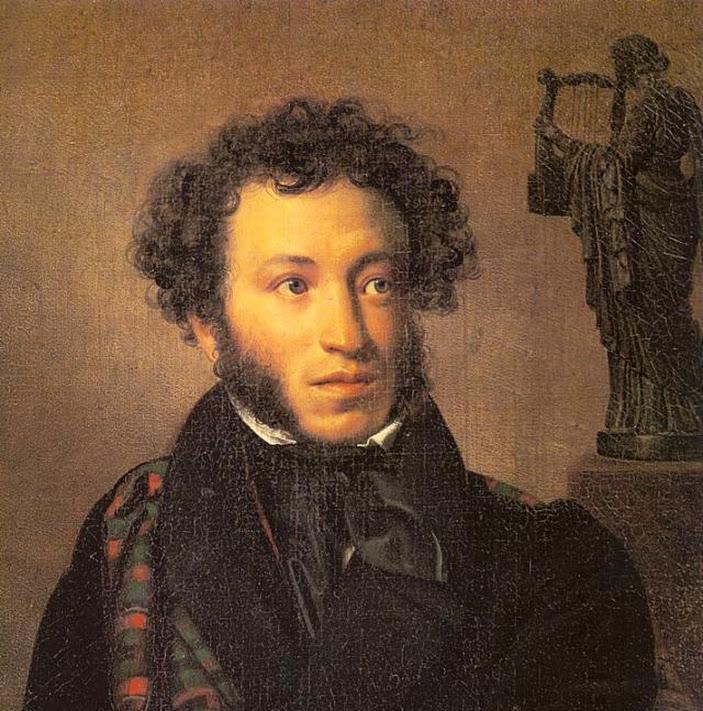
| V. Active vocabulary: To present vocabulary for a story Fisherman- [fɪʃ.ə.mən]-балықшы A golden fish-[eɪ ɡəʊl.dən fɪʃ]-алтын балық calm - [kɑːm] салмақты catch - [kætʃ]ұстау fool - [fuːl] ақымақ grant a wish-[ɡrɑːnt a wɪʃ] тілек білдіру land - [lænd] жер let - [let] рұқсат беру poor - [pɔːr] кедей rich -[rɪtʃ]бай shout -[ʃaʊt]айқайлау stormy – [stɔː.mi]тасқынды, дауылды surprised – [səˈpraɪzd]күтпеген, кенеттен swim away – [swɪm əˈweɪ]жүзіп кетті turn - [tɜːrn] бұрылу huge-[hjuːdʒ]-үлкен Pre-reading: Look at the pictures. Who is in the picture? Who was Alexander Pushkin? Where was he from? (Alexander Pushkin was a poet, novelist and playwright. He was from Russia)
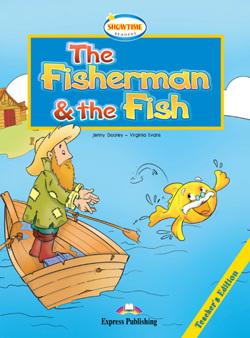
Alexander Pushkin (6th June 1799 – 10th February 1837) was a Russian poet, novelist and playwright. His most famous works are the novel Eugene Onegin and the play Boris Godunov. Pushkin wrote The Fisherman and the Fish in 1833. It is a fairy tale in verse.
1. Task: working with group. Strategy Images: What’s happening?(W) с) Look at the pictures. What do you see? Tell me which one shows:
a beautiful house – 1F an angry woman with a bucket – 4B a fisherman catching a fish - 2D a queen and her servants – 5E dark sea and rain – 3A as a servant – 6C Descriptor: A learner Matches the pictures Reading skills: Play the recording. Listen and read the text.
A fairy tale The Fisherman and the Fish. An old fisherman and his wife lived in a small house near the sea. They were very poor. One day, the fisherman caught a golden fish. “Please let me go,” said the fish, “and you can have anything you wish!” The fisherman was very surprised. The fish could speak! “Dear little fish,” said the old man, “I don’t want anything!” He let the fish go and walked home. He told his wife about the fish. “You fool!” she shouted. “We need a new bucket! Go back and ask for a bucket!” So the fisherman went back to the sea. It was calm. He called the golden fish and it swam up to him. “What do you want, good man?” it asked. “My wife wants a new bucket,” said the fisherman. “You can have your wish. Go home now,” said the fish and swam away. The fisherman went home and saw a new bucket, but his wife was still angry. She wanted a new house. So the fisherman went back to the sea and called the golden fish again. This time the sea was not so calm.
Complete the sentences. Read the story again and complete the sentences. 1.One day, the ……….. caught a golden fish. The fisherman …… surprised. 2. He told his wife ……..… . “You fool!” she shouted. 3.The fisherman went back …….…... It was calm. 4. He called …………….. and it swam up to him. “What ………..man?” it asked. 5.The fisherman went home………….. but his wife was still angry. 6.She wanted ………. a new house. So the fisherman went back to the sea and called the golden fish again.
Tasks for less able learners: Put the pictures in the correct order. D – B – F – C – E – A Descriptor: A learner Reads the text Completes the sentences Puts the pictures in the correct order
Assessment :
2. Writing; Use the adjectives to complete the summary of The Fisherman and the Fish.(G) 3. Read and say True or False. 1. An old fisherman was a rich 2. “My wife wants a new bucket,” said the fisherman. 3. The fisherman caught a golden fish. 4. An old fisherman`s wife was very happy every day. 5. The fisherman went back to the sea and called the golden fish again. 4. Answer the questions 1. What happened in the beginning of the story that surprised the fisherman? |
video pictures
PPT
Pictures
https://www.youtube.com/ watch?v=MdVKbzF6GZs
Worksheets | ||||||||||||||||||||||||||||||||||
| End 10 min | Conclusion: Strategy: Freeze frame Work in groups. Three people take the roles and act out the story. Giving homework: Imagine you met the golden fish. What would you wish for? Feedback: Teacher asks learners to use two stars and one wish to write about the lesson. |
Stars Stickers | ||||||||||||||||||||||||||||||||||
| Additional information | ||||||||||||||||||||||||||||||||||||
| Reflection Were the lesson objectives/learning | I think my objectives were realistic. Because I see the results. The learners learned some new words to fairy tale “The Fisherman and the Fish”. Learners took part in different tasks and activities, to collaborate working in small groups, shared ideas. | |||||||||||||||||||||||||||||||||||
| Summary evaluation
| What two things went really well (consider both teaching and learning)? 1: I think watching video about literature and video about fairy went really interesting. 2: Using strategy “Freeze frame” which work with group role play went well. What two things would have improved the lesson (consider both teaching and learning)? 1: I should take some grammar and video lesson. 2: Giving individual tasks according to the levels of learners knowledge. | |||||||||||||||||||||||||||||||||||











 5В класс на тему Poems (683 KB)
 0
0 987
987 40
40 Нравится
0
Нравится
0


