
 Получите свидетельство
 Вход
Вход



Aims:
to develop pupils’ speaking skills;
to improve the abilities in listening comprehension;
to make pupils be interested in history of Nobel Peace Prize Winners
Equipment: interactive board
Course of the lesson
1. Organization moment
T. Good morning, children.
2. Brainstorming.
Dear children! Look at the board. Think a bit what we are going to speak abou?
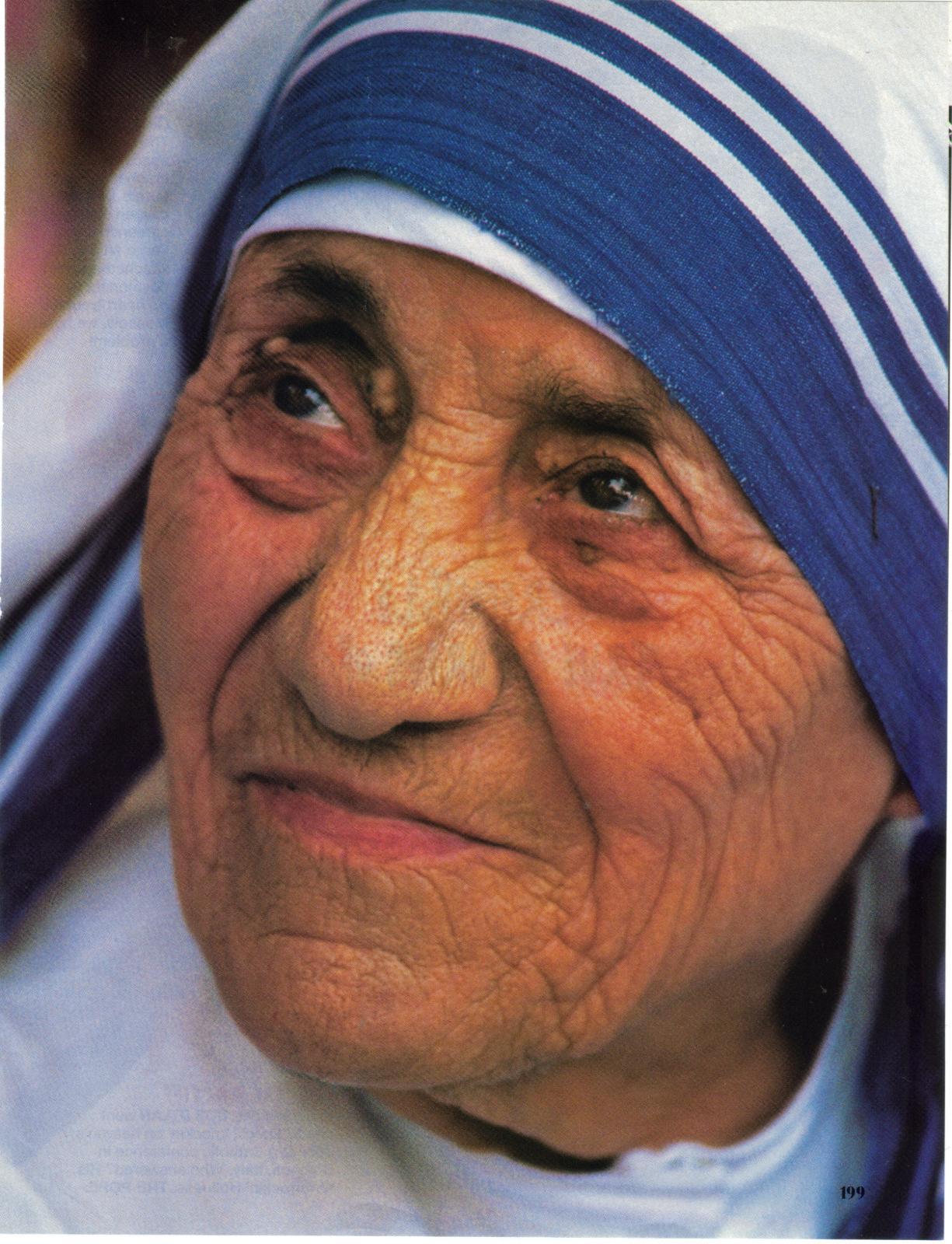
Do you recognize the people in the photos? What do you know about them?
P1 - Alfred Nobel
P2 - Nelson Mandela
P3 - Kofi Annan
P4 - Lech Walensa
P5 - Mother Teresa
T: They are the winners of the Nobel Peace Prize. But none of them would have received their prize and the recognition it brings if it had not been for one Swedish man Alfred Nobel. Let’s read the text to know some facts about this man.
3. Reading of the text « Alfred Nobel Rests in peace», ex 1, p.52
T : Read the text quickly and answer the questions.
1) How did Alfred make his money?
2) Why did he decide to start the Nobel Prizes?
T: Read the text again and add the sentences. Listen and check:
1. Alfred became determined to invent safer explosive.
2. The five awards he created were for physics, chemistry, medicine, literature and, the most significantly, peace
3. Ironically, of course, the Nobel family fortunes had been built on mines.
4. Alfred had always hated war and considered it to be « the horror of horrors and the greatest of all crimes».
5. And what do they have in common?
4. Presentation
T: Now we came to the Nobel Peace Prize Winners and you’ve prepared information about some of them. Let’s start speaking about the laureates
P1: I’d like to start with Mother Teresa (1910-1997) an Albanian Roman Catholic nun who founded the Missionaries of Charity in India. The Society of Missionaries has spread all over the world. They provide effective help to the poor in a number of countries of Asia, Africa and Latin America and they take care of victims of natural catastrophes such as floods, epidemics and famine, and of refugees.
Mother Teresa’s work has been recognized and acclaimed throughout the world and she has received a number of awards and distinctions, including the Nobel Prize in 1979.
P2: Kofi Annan (born 1938) is from Ghana. From 1997 to 2006 he was the Secretary General of the United Nations .He took a leading role in mobilizing the international community in the battle against AIDS, and more recently against the global terrorist threat .He got the Nobel Prize for Peace in 2001.
P3: Lech Walensa (born 1943) was a Polish electrician who became a trade union and human rights activist in Poland. He won the Nobel Peace Prize in 1983
P4: Nelson Mandela (1918-2013) a South African politician. He became a leader of the African National Congress in 1961 and tried to end racial inequality (apartheid) in his country. He was put in prison for his political activities in 1963 and stayed there for 27 years .He became the President of South Africa in 1994 and won the Nobel Peace Prize in 1993.
P Andrei Sakharov is a Russian physicist and public figure. He played a decisive role in developing the Soviet hydrogen bomb. While working on the bomb he came to the conclusion, that any atomic and nuclear weapon should be banned. He took part in the first human rights demonstration. Andrei Sakharov fought courageously for human rights in the former USSR and in 1975 he was awarded the Nobel Peace it. He was sent away of Moscow to the city of Gorky and as deprived of all his titles and orders. When Mikhail Gorbachev became Soviet leader he allowed Andrei Sakharov to return to Moscow and he was given back all his titles. He is remembered as an outstanding humanist.
P Wangari Maathai was born in Kenya in 1940. She was the first woman in East and Central Africa to earn a doctorate degree. Professor Maathai got her degree in Biological science. She was active in the National Council of Women of Kenya. She became a Nobel Peace Prize Laureate in 2004.
5. Listening
T: Now we’ll listen to an interview with foreign correspondent Martin Davies.
Ex3 p54
Martin Davies makes the following points in the interview. Put them in the order in which you hear them:
- The prize will help to overcome prejudices against woman
- Martin Davies praises people who take risks for what they believe in
- Professor Maathai’s work will encourage people who work for the environment.
- He mentions examples of people who fought for what they believe in
- Wangari Maathai feels overwhelmed that her work has been recognized by the Nobel Committee.
5 Conclusion
T. Now we see that there are a lot of information about the Nobel Prize and its winners. But our lesson is over. Thank you for your good work and cooperation. You have worked very well today.
Весь материал - в документе.







 Урок английского языка "Peacemakers" (0.57 MB)
 0
0 1618
1618 247
247 Нравится
0
Нравится
0


