
 Получите свидетельство
 Вход
Вход


| Unit 9.1B: Exercise and Sport (Content with language) | NIS of Chemistry and Biology, Atyrau | |||||||||||
| Date: | Teacher’s name: Atasheva Zh.B. (Teacher trainee) | |||||||||||
| Grade:9 | Number present: | absent: | ||||||||||
| Lesson. Learning outside the classroom: exercise diaries | ||||||||||||
| Key learning objectives
| 9.C6 organise and present information clearly to others 9.W7 use independently appropriate layout at text level for a growing range of written genres on familiar general and curricular topics 9.S6 link comments with growing flexibility to what others say at sentence and discourse level in pair, group and whole class exchanges | |||||||||||
| Language objectives | Focus on speaking and writing skills | |||||||||||
| Lesson objectives SWBAT. | All: answer the questions and discuss about the steps of creating exercise diaries (S6); Most: create a template for keeping exercise diaries (W7); Some: explain how they’ve arranged their diaries (C6); | |||||||||||
| Value links | Respect diversity of opinions | |||||||||||
| ICT skills | Videos are used as warm up and for brainstorming | |||||||||||
| Cross curricular links | Physical education | |||||||||||
| Kazakh culture | Exercise diaries | |||||||||||
| Previous learning | Role play: interviewing successful sports person | |||||||||||
| Plan | ||||||||||||
| Planned timings | Teacher activity | Learner activity | Differentiation | Resources | ||||||||
| Introduction 5’
| Teacher greets students and explains lesson objectives. Warm up For creating friendly atmosphere teacher presents the video “Just Dance-Dynamite-Taio Cruz” and asks students to stand up and dance. |
Students are shown a video “Just Dance-Dynamite-Taio Cruz”. Students stand up and dance.
|
|
https://www.youtube.com/watch?v=VevE4v065sA
| ||||||||
| Main part 30’
| To define the difference between diary and exercise diary teacher asks questions about these objects.
Teacher reminds that fitness journals or exercise diaries can help them keep track of where they are in their progress and shows them where they may have to change things and motivate them to stay on track. Teacher presents video “How to keep the exercise diaries?” and asks student discuss in groups about steps of creating exercise diaries.
Teacher asks students to create a template for their own diaries. Teacher explains how to start to write an exercise diary. In addition, teacher reminds learners that exercise activities need not be organised sport: they can include walking to school, dancing club, PE. Teacher asks students to present their templates and tells students that they will present their diaries next week. Teacher advise them to download their presentations into site- padlet.com | Learners answer for given questions: -What is a diary? -Do you know what an exercise diary is? If so, do you have one? -Why do we need to keep the exercise diaries? How does it help us? -Do you know how to create the exercise diaries?
Students watch the video “How to keep the exercise diaries?” about fitness planner. (G,F,S6,C6) Learners in groups discuss about steps of creating exercise diaries. In addition, present their ideas to other groups.
(I,F,W7) Students will start the template of their own exercise diaries. They will keep an exercise diary for a week or more. Learners should record daily any physical exercise activities they have done during the week, for how long and how hard or easy the exercise was. Students present their templates to rest of the class. In addition, learners will present their diaries next week. Students will download their presentations into padlet.com. |
Differentiation is done by vocabulary and support: less able learners will be supported by more explanation of keeping diaries and necessary vocabulary. Teacher provides templates of the diary exercises. |
https://www.youtube.com/watch?v=ylCh8MFgM1M
Worksheet-templates.
https://ru.padlet.com/auth/signup
| ||||||||
| Conclusion 5’ | Reflection. Ss summarize and tell what are the main problems that are to be solved |
| ||||||||||
| Additional information | ||||||||||||
| Differentiation – how do you plan to give more support? How do you plan to challenge the more able learners? | Assessment – how are you planning to check learners’ learning? | Health and safety check | ||||||||||
| More support: less able learners will be supported by more explanation of keeping diaries and necessary vocabulary. | According success criteria’s | Exercise for eyes in the middle of the lesson | ||||||||||
| Reflection Were the Lesson Objectives/Learning objectives realistic? What did the learners learn today? What was the learning atmosphere like? Did my planned differentiation work well? Did I stick to timings? What changes did I make from my plan and why? | Use the space below to reflect on your lesson. Answer the most relevant questions from the box on the left about your lesson. Lesson objectives were realistic and achievable. Learners discuss in groups for given topics and give feedback to each other. Learning atmosphere was pleasant and contributed to the learning process My planned differentiation worked well and helped less-able students to be involved in the debates Yes, I controlled the time. I did not make any changes in my plan. | |||||||||||
| Summary evaluation. What two things went really well (consider both teaching and learning)? 1: Students were active in discussion about steps of creating exercise diaries. 2: All students answered for given questions and understood how to create a template of exercise diary. What two things would have improved the lesson (consider both teaching and learning)? 1: nothing What have I learned from this lesson about the class or individuals that will inform my next lesson? Students were interested in keeping diaries. Some students have their personal diaries, where they usually describe their personal feelings and events, that happened with them. | ||||||||||||
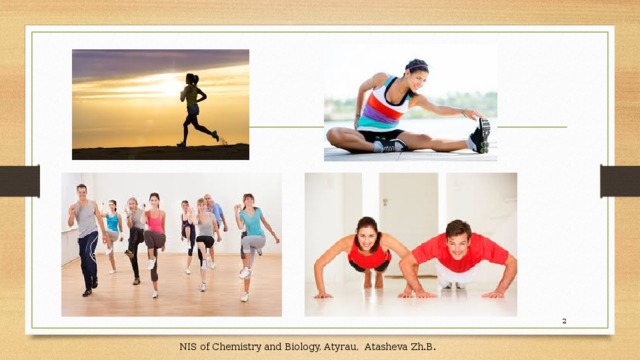




 Learning outside the classroom exercise diaries (1.09 MB)
 0
0 532
532 60
60 Нравится
0
Нравится
0


