
 Получите свидетельство
 Вход
Вход


Day 4: Planning and resources Session 3: Medium- and short-term planning (2)
Handout 4: Short term plan blank template
Lesson plan
Before beginning, refer to your medium term plan. Your lesson plans should be developed from this, making any adjustments necessary in the light of recent teaching and learning.
| Unit of a long term plan Sports | School: Lycee ‘”BEST” | |||||||||||||||||||||||||||||||||||||||||||||||||
| Date: | Teacher name: Chizhakovskaya Y.S. | |||||||||||||||||||||||||||||||||||||||||||||||||
| CLASS: 5 | Number present: | absent: | ||||||||||||||||||||||||||||||||||||||||||||||||
| Lesson title | Sport for all | |||||||||||||||||||||||||||||||||||||||||||||||||
| Learning objectives(s) that this lesson is contributing to (link to the Subject programme) | 5.L3 understand an increasing range of unsupported basic questions on general and curricular topics 5.S6 communicate meaning clearly at sentence level during, pair, group and whole class exchanges 5.C1 use speaking and listening skills to solve problems creatively and cooperatively in groups 5.R2 understand with little support specific information and detail in short, simple texts on a limited range of general and curricular topics 5.W6 link, with some support, sentences into coherent paragraphs using basic connectors on a limited range of familiar general topics | |||||||||||||||||||||||||||||||||||||||||||||||||
| Lesson objectives | All learners will be able to: name different kinds of sport listen and answer peers’ questions Most learners will be able to: answer the questions according to the texts put the sentences into correct column Some learners will be able to: make up a summary of the text in 4-5 sentences without support write 2-3 sentences according to the text | |||||||||||||||||||||||||||||||||||||||||||||||||
| Assessment criteria | Interact with each other delivering content correctly and clearly to others | |||||||||||||||||||||||||||||||||||||||||||||||||
| Values links | Leading healthy way of life | |||||||||||||||||||||||||||||||||||||||||||||||||
| Cross-curricular links | Physical Education (P.E.) | |||||||||||||||||||||||||||||||||||||||||||||||||
| Previous learning | Some types of sport, grammar structure of present continuous tense | |||||||||||||||||||||||||||||||||||||||||||||||||
| Plan | ||||||||||||||||||||||||||||||||||||||||||||||||||
| Planned timings | Planned activities (replace the notes below with your planned activities) | Resources | ||||||||||||||||||||||||||||||||||||||||||||||||
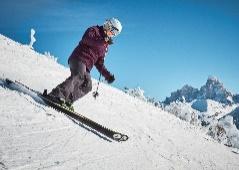
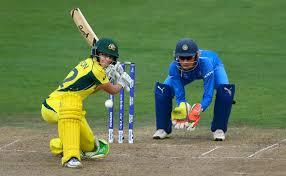
| Start 5 min I W | Greetings Lead in: Brainstorming On board: pictures of different types of sport. To activate students’ prior knowledge of the topic it will be better to answer teacher’s questions: What can you see? What are people doing? Which of these sports is extreme one? (BMX) Drilling. To make sure of correct pronunciation students are to repeat the names of sports after the teacher all together.
| Visuals –pictures (badminton, basketball, football, gymnastics, tennis, cricket, BMX, tubing, cycling, skating, skiing, swimming) | ||||||||||||||||||||||||||||||||||||||||||||||||
| Middle 10 min G 10 min P I 10 min G P 3 min I | 1. Guided discovery task. Students are given a graphic organizer at the whiteboard with sport collocations to guess the usage of verbs with types of sport in groups. We normally use play with team sports and ball sports. Ex. Play badminton, play football, play basketball. Go – with sports that end in –ing Ex. Go cycling, go swimming, go skiing Do – with other sports. Ex. Do athletics, do gymnastics 2. Freer practice task. “Interview your friends” – questionnaire. Pre-interviewing task: reviewing adverbs of frequency To activate prior knowledge of the topic, students should answer teacher’s question. Possible answers: Every day sometimes often never While interviewing students are to complete the chart putting a tick where necessary, by mingling around the classroom and asking questions. Less able students can use a model: How often do you go swimming (play football, go cycling,…)? More able students can manage with the task without support.
After interview students take their places to check the answers, answering teacher’s questions. 3. Jigsaw reading task. What sports are popular in Kazakhstan? What is your favourite sport? The class should be divided into three groups. Each group has a short simple text about one type of sport (Football, Boxing, Cycling) While-reading task: Each group should read the text and analyse it with the following criteria.
Post reading task: after completing the chart students change their groups to retell the information they got to their peers, while the second ones are to make notes according to the texts. After reading assessment: Sport Quiz Using Plickers App students can check their knowledge on the topic.
a)Boxing b) Football c) Cycling 3. Who people call “The Knock-Out King”? a) G. Golovkin b) O. Maskayev c) V. Zhirov 4. What is the most popular sport in Kazakhstan? a) football b) boxing c) cycling 5. Which football team plays in the Kazakhstan Premier League? a) Kairat b) Kyzyl Zhar c) Bakhyt | Graphic organizer:chart Visuals of adverbs of frequency Handouts – chart Sample sentence Handouts Reading worksheets Chart Plickers App | ||||||||||||||||||||||||||||||||||||||||||||||||
| End 2 min I | Feedback Aeroplane technique (craft activity) Ask students to write comments on paper to key questions
Then, teacher asks students to fold the paper airplanes and throw into a bucket or similar. | White sheets of paper A bucket markers | ||||||||||||||||||||||||||||||||||||||||||||||||
| Additional information | ||||||||||||||||||||||||||||||||||||||||||||||||||
| Differentiation – how do you plan to give more support? How do you plan to challenge the more able learners? | Assessment – how are you planning to check learners’ learning? | Health and safety check | ||||||||||||||||||||||||||||||||||||||||||||||||
| Involving everyone through jigsaw strategy. Using tasks from simple to more complicated. Less able students are given greater support by the teacher, providing them with shortened instructions, sample sentences, asking simple questions to check their understanding of the text. Less able students use cue cards for presenting their parts of text. More able students are encouraged to develop own ideas, can manage with the tasks with no support. | Monitoring Observations by the teacher during the lesson to identify the students who need help Questioning to promote a full answer Eavesdropping while students discuss in groups. Plickers Application | Mingling activity Use whiteboard no more than 15 minutes | ||||||||||||||||||||||||||||||||||||||||||||||||
| Reflection Were the lesson objectives/learning objectives realistic? Did all the learners achieve the lesson objectives/ learning objectives? If not, why? Did my planned differentiation work well? Did I stick to timings? What changes did I make from my plan and why? | Use the space below to reflect on your lesson. Answer the most relevant questions from the box on the left about your lesson. | |||||||||||||||||||||||||||||||||||||||||||||||||
| | ||||||||||||||||||||||||||||||||||||||||||||||||||
| Summary evaluation What two things went really well (consider both teaching and learning)? 1: 2: What two things would have improved the lesson (consider both teaching and learning)? 1: 2: What have I learned from this lesson about the class or individuals that will inform my next lesson? | ||||||||||||||||||||||||||||||||||||||||||||||||||
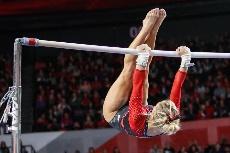

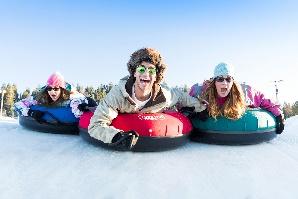
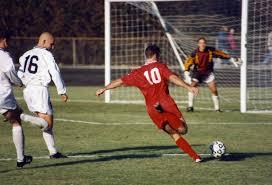
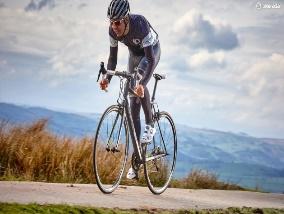
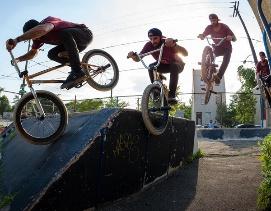
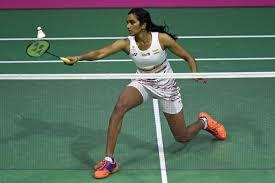

 How often can we do sport?



 Конспект урока "Sport for all" (218.12 KB)
 0
0 1386
1386 109
109 Нравится
0
Нравится
0


