
 Получите свидетельство
 Вход
Вход



PRINTER ( COMPUTING)
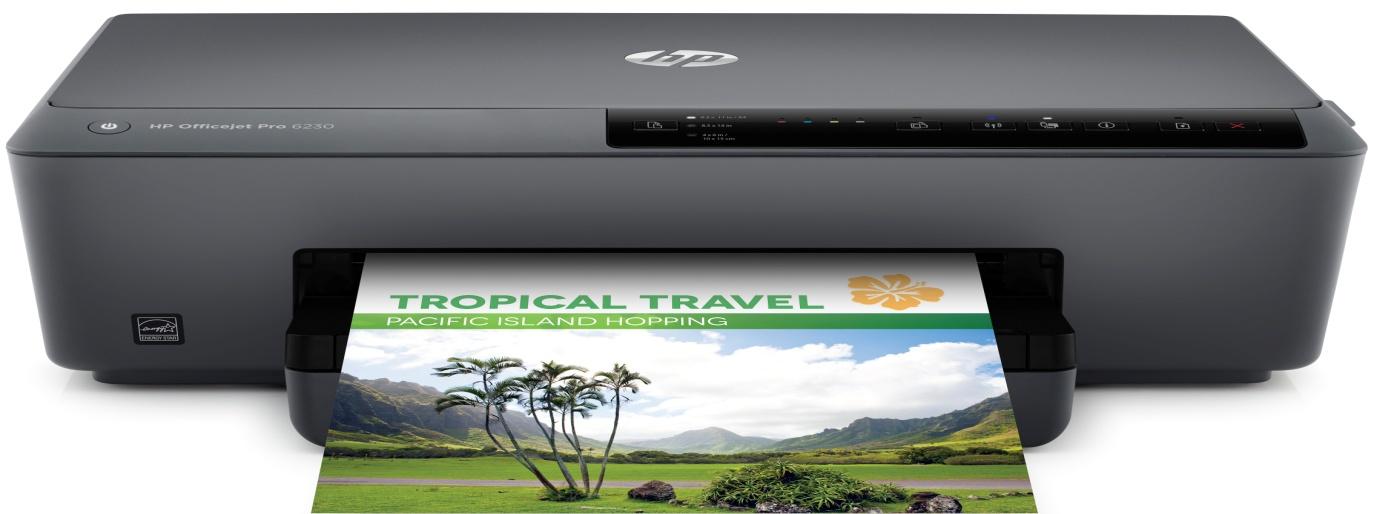
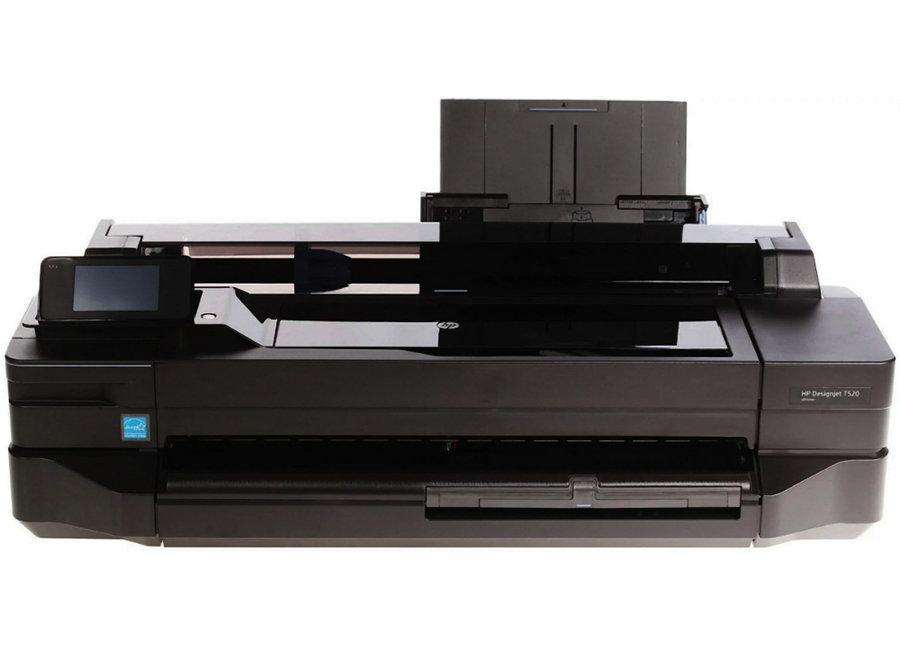
In computing, a printer is a peripheral device which makes a persistent human-readable representation of graphics or text on paper.[1] The first computer printer designed was a mechanically driven apparatus by Charles Babbage for his difference engine in the 19th century; however, his mechanical printer design was not built until 2000.[2] The first electronic printer was the EP-101, invented by Japanese company Epson and released in 1968.[3][4] The first commercial printers generally used mechanisms from electric typewriters and Teletype machines. The demand for higher speed led to the development of new systems specifically for computer use. In the 1980s were daisy wheel systems similar to typewriters, line printers that produced similar output but at much higher speed, and dot matrix systems that could mix text and graphics but produced relatively low-quality output. The plotter was used for those requiring high quality line art like blueprints
. 
The introduction of the low-cost laser printer in 1984 with the first HP LaserJet, and the addition of PostScript in next year's Apple LaserWriter, set off a revolution in printing known as desktop publishing[5]. Laser printers using PostScript mixed text and graphics, like dot-matrix printers, but at quality levels formerly available only from commercial typesetting systems. By 1990, most simple printing tasks like fliers and brochures were now created on personal computers and then laser printed; expensive offset printing systems were being dumped as scrap. The HP Deskjet of 1988 offered the same advantages as laser printer in terms of flexibility, but produced somewhat lower quality output (depending on the paper) from much less expensive mechanisms. Inkjet systems rapidly displaced dot matrix and daisy wheel printers from the market. By the 2000s high-quality printers of this sort had fallen under the $100 price point and became commonplace.
The rapid update of internet email through the 1990s and into the 2000s has largely displaced the need for printing as a means of moving documents, and a wide variety of reliable storage systems means that a "physical backup" is of little benefit today. Even the desire for printed output for "offline reading" while on mass transit or aircraft has been displaced by e-book readers and tablet computers. Today, traditional printers are being used more for special purposes, like printing photographs or artwork, and are no longer a must-have peripheral.
Starting around 2010, 3D printing became an area of intense interest, allowing the creation of physical objects with the same sort of effort as an early laser printer required to produce a brochure. These devices are in their earliest stages of development and have not yet become commonplace.
Types of printersPersonal printers are primarily designed to support individual users, and may be connected to only a single computer. These printers are designed for low-volume, short-turnaround print jobs, requiring minimal setup time to produce a hard copy of a given document. However, they are generally slow devices ranging from 6 to around 25 pages per minute (ppm), and the cost per page is relatively high. However, this is offset by the on-demand convenience. Some printers can print documents stored on memory cards or from digital cameras and scanners.
Networked or shared printers are "designed for high-volume, high-speed printing". They are usually shared by many users on a network and can print at speeds of 45 to around 100 ppm.[6] The Xerox 9700 could achieve 120 ppm.
A virtual printer is a piece of computer software whose user interface and API resembles that of a printer driver, but which is not connected with a physical computer printer. A virtual printer can be used to create a file which is an image of the data which would be printed, for archival purposes or as input to another program, for example to create a PDF or to transmit to another system or user.
A 3D printer is a device for making a three-dimensional object from a 3D model or other electronic data source through additive processes in which successive layers of material (including plastics, metals, food, cement, wood, and other materials) are laid down under computer control. It is called a printer by analogy with an inkjet printer which produces a two-dimensional document by a similar process of depositing a layer of ink on paper.
Technology
The choice of print technology has a great effect on the cost of the printer and cost of operation, speed, quality and permanence of documents, and noise. Some printer technologies don't work with certain types of physical media, such as carbon paper or transparencies.
A second aspect of printer technology that is often forgotten is resistance to alteration: liquid ink, such as from an inkjet head or fabric ribbon, becomes absorbed by the paper fibers, so documents printed with liquid ink are more difficult to alter than documents printed with toner or solid inks, which do not penetrate below the paper surface.
Cheques can be printed with liquid ink or on special cheque paper with toner anchorage so that alterations may be detected.[7] The machine-readable lower portion of a cheque must be printed using MICR toner or ink. Banks and other clearing houses employ automation equipment that relies on the magnetic flux from these specially printed characters to function properly.
Modern print technologyThe following printing technologies are routinely found in modern printers:
Toner-based printersMain article: Laser printer
A laser printer rapidly produces high quality text and graphics. As with digital photocopiers and multifunction printers (MFPs), laser printers employ a xerographic printing process but differ from analog photocopiers in that the image is produced by the direct scanning of a laser beam across the printer's photoreceptor.
Another toner-based printer is the LED printer which uses an array of LEDs instead of a laser to cause toner adhesion to the print drum.
Liquid inkjet printersLiquid ink cartridge from Hewlett-Packard HP 845C inkjet printer
Inkjet printers operate by propelling variably sized droplets of liquid ink onto almost any sized page. They are the most common type of computer printer used by consumers.
Solid ink printersMain article: Solid ink
Solid ink printers, also known as phase-change printers, are a type of thermal transfer printer. They use solid sticks of CMYK-coloured ink, similar in consistency to candle wax, which are melted and fed into a piezo crystal operated print-head. The printhead sprays the ink on a rotating, oil coated drum. The paper then passes over the print drum, at which time the image is immediately transferred, or transfixed, to the page. Solid ink printers are most commonly used as colour office printers, and are excellent at printing on transparencies and other non-porous media. Solid ink printers can produce excellent results. Acquisition and operating costs are similar to laser printers. Drawbacks of the technology include high energy consumption and long warm-up times from a cold state. Also, some users complain that the resulting prints are difficult to write on, as the wax tends to repel inks from pens, and are difficult to feed through automatic document feeders, but these traits have been significantly reduced in later models. In addition, this type of printer is only available from one manufacturer, Xerox, manufactured as part of their Xerox Phaser office printer line. Previously, solid ink printers were manufactured by Tektronix, but Tek sold the printing business to Xerox in 2001.






 Printer ( computing) (208.47 KB)
 0
0 608
608 0
0 Нравится
0
Нравится
0


