
 Получите свидетельство
 Вход
Вход


| Date: 25.02.16 | Subject: Biology
| Form: 7 “kb”
| |||||||||||||||
| Teacher: | Ospanova M.D | ||||||||||||||||
| Theme: | Amphibians. | ||||||||||||||||
| Aims: |
. | ||||||||||||||||
| Students will be able to: |
| ||||||||||||||||
| Key ideas: | Body systems of amphibians (respiratory, excretory, digestive, circulatory, reproduction). Habitat of amphibians. Difference between vertebrate and invertebrate animals. Individual work and work in groups. Metamorphosis, lay eggs, fertilization, salamanders, caecilians, Jacobson organ, moist skin, digestive glands. | ||||||||||||||||
| Sources: | Textbook: “Биология 7 класс” Атамұра 2012. Textbook: “Biology 7” Г. Бекмуратова, Д. Жанқабылқызы. PPT presentation and other internet resources. | ||||||||||||||||
| Aids: | Markers and stickers for the poster, points, PPT, interactive board, pictures | ||||||||||||||||
| Lesson procedure | |||||||||||||||||
| Development | T/e: 45 m. | Teacher’s action | Student’s action | ||||||||||||||
| 1.Organization moment | 1m. | Greetings and setting the aims. Teacher explains the stages of the lesson. | Greeting. | ||||||||||||||
| 2.“Brainstorming” | 1m. | “What do we know about amphibians?” | Suggested answers | ||||||||||||||
| 3. Main part.
| 5m.
5m.
3m
5m
3m
10m
6m | 1. Vocabulary work. Teacher gives the definitions and pupils guess the words
2. Match the words so that they make sense and give extra information on the phrase.
3. Complete the sentences. 1.In the water, frogs are very good ______ 2. Most frogs are found near _________ 3. To attract females, male frogs make a_ 4. Bullfrogs are so large that they can eat _____ 5. Young amphibians breathe with _____ 6. An animal with a backbone is called a ________ 7. Most adult amphibians breathe with ____ 8. Caecilians live in undergeound _____ 9. Amphibians lay ______ in water. 10. Caecilians look like _____. They do not have legs. 4. Question-answer work. Questions are on the smart board. 1. What group of animals do amphibians belong to? 2. Where do young amphibians live? 3. What do most adult amphibians use to breathe? 4. What does being a cold-blooded animal mean? 5. What three kinds of animals are in the amphibian group? 6. When amphibians reproduce, what do they do? 7. What digestive organs do amphibians have? 8. What is metamorphosis? 9. What do amphibians eat? 10. What sense organs do amphibians have? 5. Individual work. Pupils are given 3 minutes 1. Odd one out 2. Match the halves 6. Team work. Teacher divides the students into three groups and gives the task. (мозаика) Gives 3 minutes for each team. 5. Watching the video about amphibians Discuss it and say is it true or false | Pupils get points for the correct answer and put the points in the paper
Pupils answers Answer the questions.
Pupils give the correct answers and get points . Pupils answers Pupils do it and change it with neighbours and check it Students make the posters and talk about the classification, reproduction and body systems of amphibians (using their posters). If it is false find and correct the mistakes. | ||||||||||||||
| 4. Giving feedback | 2m | Summing up the points and giving the marks |
| ||||||||||||||
| 5. Reflection. | 2m. | What emotions do you have at the end of the lesson? | | ||||||||||||||
| 6. Giving home task. | Textbook “Biology 7” Reptiles.(read and translate) | ||||||||||||||||
Reflex tree.

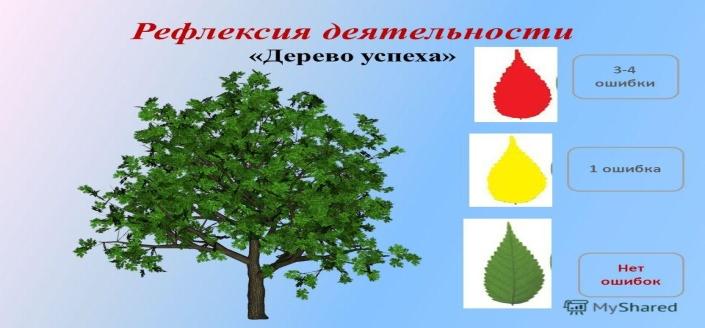
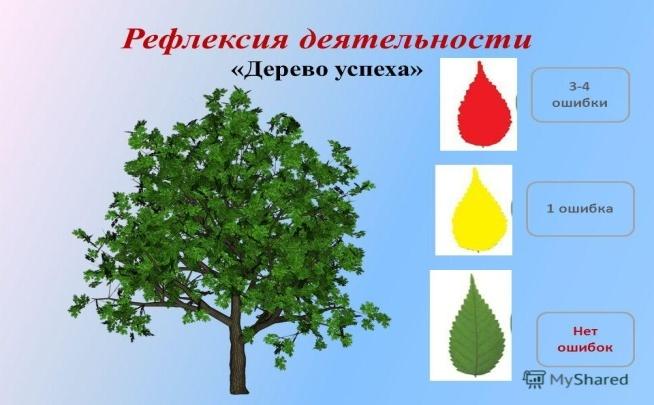
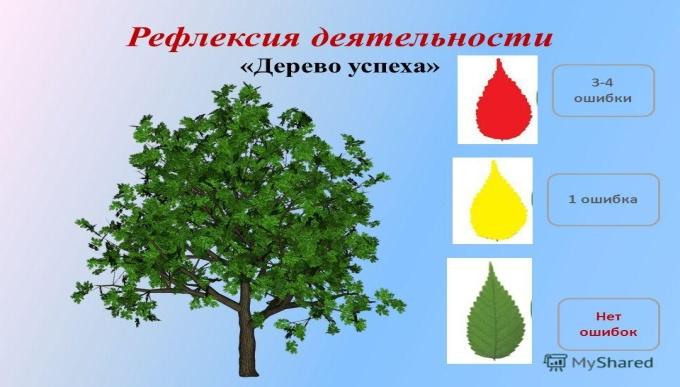
Supplement 8.
Table for assessments for team work III – team. Leader – Linara.
| № | students: |
|
|
|
| Have questions: |
| 1 |
|
|
|
|
|
|
| 2 |
|
|
|
|
|
|
| 3 |
|
|
|
|
|
|
| 4 |
|
|
|
|
|
|
| 5 |
|
|
|
|
|
|
| 6 |
|
|
|
|
|
|
Table for assessments for team work II – team. Leader – Asema.
| № | students: |
|
|
|
| Have questions: |
| 1 |
|
|
|
|
|
|
| 2 |
|
|
|
|
|
|
| 3 |
|
|
|
|
|
|
| 4 |
|
|
|
|
|
|
| 5 |
|
|
|
|
|
|
| 6 |
|
|
|
|
|
|
Table for assessments for team work I – team. Leader – Alua.
| № | students: |
|
|
|
| Have questions: |
| 1 |
|
|
|
|
|
|
| 2 |
|
|
|
|
|
|
| 3 |
|
|
|
|
|
|
| 4 |
|
|
|
|
|
|
| 5 |
|
|
|
|
|
|
| 6 |
|
|
|
|
|
|
Date: __________
Name: ____________________ Form: ______
| 1. At the beginning: What do we know about mammals? |
|
Mammals
|
| 2. At the end: What have we known about mammals? |
|
Mammals
|


Table for assessments for each pupil
Name: _______________________
| № | Stages of the lesson and tasks: | “5” | “4” | “3” | “2” | Have questions: |
| 1 | Odd one out? |
|
|
|
|
|
| 2 | Who is odd one? |
|
|
|
|
|
| 3 | Matching |
|
|
|
|
|
| 4 | Compare mammals and reptiles |
|
|
|
|
|
| 5 | Control test |
|
|
|
|
|
| 6 | Question – answer work |
|
|
|
|
|

 Открытый урок на тему "Amphibians" (393.43 KB)
 0
0 404
404 29
29 Нравится
0
Нравится
0


